
Skip to content

Call: 0800 073 8837

Screeding & Subfloor Preparation Done Right

The part of the floor you never see is the part that decides whether everything above it succeeds.

Self-levelling screeds • Moisture suppression • Grinding & repairs

Make an Enquiry

Every flawless floor starts below the surface.

Ninety per cent of floor failures start in the subfloor: moisture, contamination, poor levels or weak substrates. Fix those first and almost any finish will perform; skip them and no finish will.

Flowfloor treat preparation as a discipline in its own right. We moisture-test to BS 8203, grind off contamination, repair cracks and joints, and install levelling screeds flat enough that your chosen finish, LVT, resin, timber or carpet, goes down without compromise.

Because we install the finishes too, our preparation spec is always driven by what is going on top, and both stages carry one warranty.

Moisture managed

Hygrometer testing and DPM systems that stop failures before they start.

Talk to us

Flat where it matters

Levelling compounds installed to SR1 surface regularity for demanding finishes.

Get a quote

One warranty, top to bottom

Preparation and finish from one contractor means no blame games.

Book a Survey
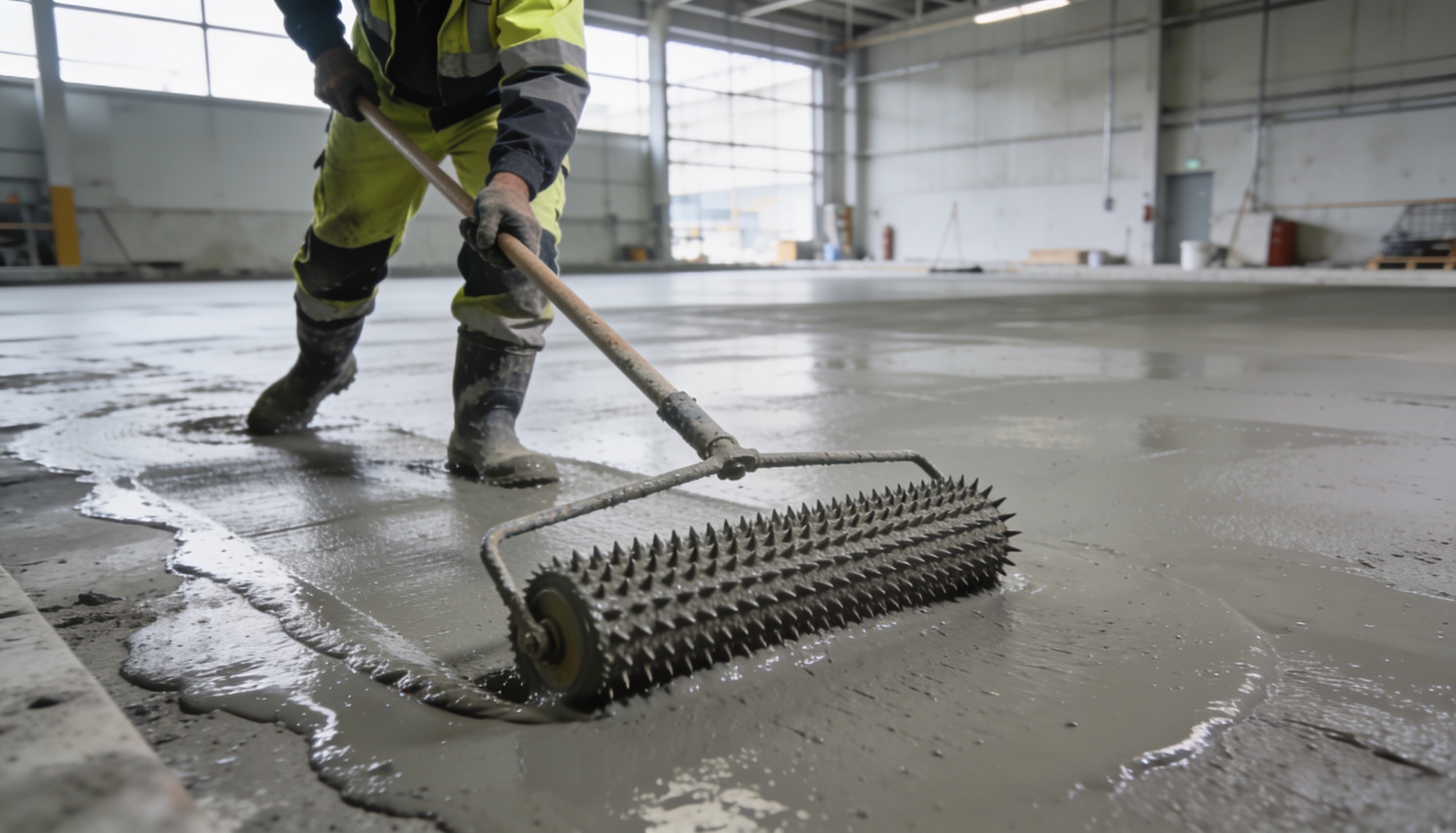
Contractor spreading self-levelling floor screed on site

Preparation services

Whether we are preparing for our own installation teams or yours, the substrate leaves ready and documented.

Self-levelling screeds

Fast-track and traditional compounds from feather-edge to 50mm+.

Surface DPMs & moisture suppression

Epoxy systems for slabs that cannot wait to dry.

Diamond grinding & shot blasting

Remove adhesives, coatings and laitance for a sound key.

Crack & joint repair

Resin injection and stitching that stops movement telegraphing through.

Screeding FAQs

Common questions about screeding and subfloor prep.

How flat does a subfloor need to be?

For LVT and resin, SR1 (max 3mm deviation under a 2m straightedge) is the usual target. We measure and document it before any finish goes down.

How long does screed take to dry?

Traditional screeds dry at roughly 1mm per day; fast-track compounds can take foot traffic in hours and finishes in 24 to 48 hours. We’ll programme to your deadline.

What is a surface DPM and do I need one?

A liquid epoxy membrane that seals residual moisture in the slab. If hygrometer readings are above the finish manufacturer limit, it is the difference between a warranty and a failure.

Can you prepare floors for another contractor finish?

Yes, we regularly hand over tested, documented substrates for other trades to build on.

Ready for flawless floors?

Tell us a bit about your project and we’ll come back with straightforward advice, options and a clear quotation – whether it’s for a home, workspace or large commercial site.

Make an Enquiry